
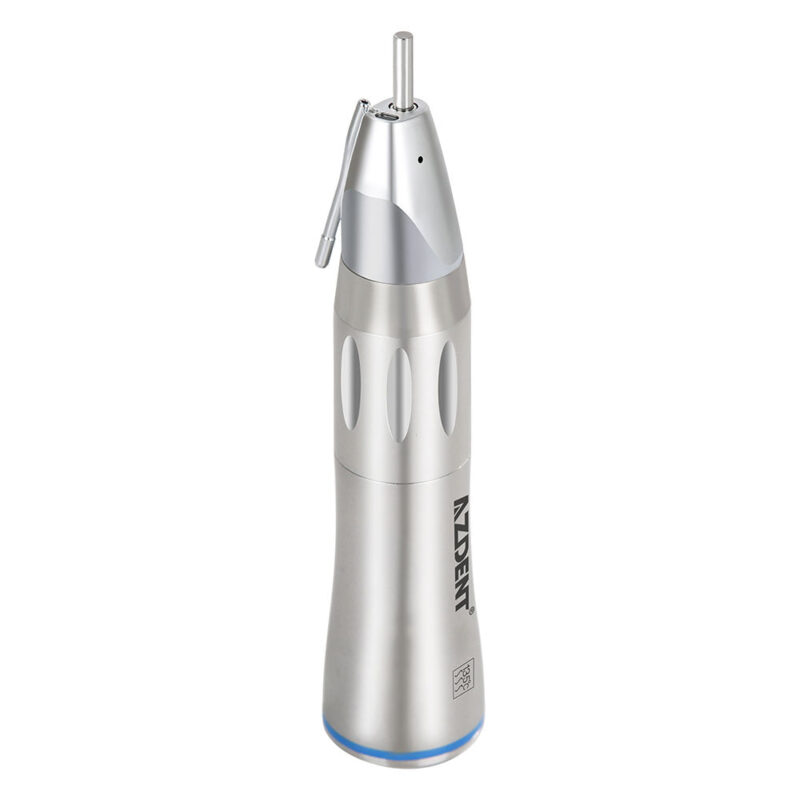
In the realm of modern dentistry, few tools have revolutionized procedures as much as the dental micromot. This powerful device is indispensable for dental professionals aiming to provide comprehensive care with maximal efficiency. In this article, we will explore the applications, benefits, and tips for selecting the right dental micromotor for your practice.
What is a Dental Micromotor?
A dental micromotor is an advanced, high-speed rotary instrument used for a variety of dental procedures. Unlike traditional dental handpieces that are often air-driven, micromotors utilize electric power to drive the rotational speed and torque, resulting in more controlled and consistent performance. This technology allows for a wide variety of attachments and burs, making it an incredibly versatile tool in the dental office.
Applications of Dental Micromotors
Dental micromotors are used in an array of procedures, including:
- Endodontics: They are essential for root canal treatments, allowing for precise shaping and cleaning of root canals with various bur sizes.
- Restorative Dentistry: Dentists use micromotors to prepare cavities, remove old restorations, and polish dental materials.
- Oral Surgery: The high torque capabilities of micromotors enable efficient bone cutting or removal, especially in surgical procedures.
- Prosthodontics: For crafting crowns, bridges, and dentures, micromotors enhance the accuracy and speed of adjustments and refinements.
- Implantology: Dental implants require precision, and micromotors are invaluable for implant placement and crown connection.
Benefits of Using Dental Micromotors
The benefits of integrating a dental micromotor into clinical practice are numerous:
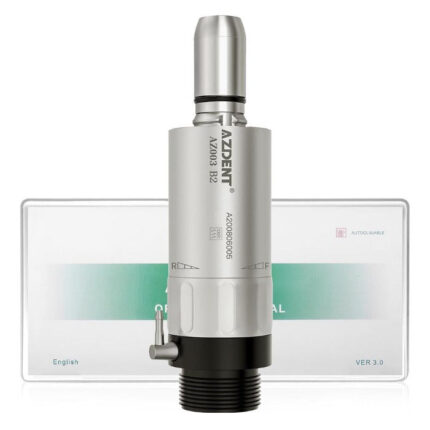
- Enhanced Precision: Electric motors offer consistent torque and speed, which translates to more accurate and controlled dental procedures.
- Reduced Vibration: Compared to air-driven handpieces, micromotors produce less vibration, contributing to a more comfortable experience for both dentist and patient.
- Less Noise: Many patients are apprehensive about dental visits partially due to the sounds associated with drills. Micromotors operate more quietly than traditional handpieces.
- Versatility: Dental micromotors can be adapted to various tasks through interchangeable attachments, making them suitable for numerous applications within a dental practice.
- Ergonomic Design: Most micromotors have been designed with the comfort of the user in mind, reducing strain on the dentist’s hands during prolonged procedures.
How to Choose the Right Dental Micromotor
When selecting a dental micromotor, here are several factors to consider:
- Power and Torque: Consider the power output and torque of the micromotor, as these will dictate how efficiently it can perform various tasks.
- Speed Range: Look for micromotors that offer a wide speed range to accommodate different procedures and materials.
- Control Features: Modern micromotors come with various control settings, including speed control and reversing functions that enhance usability.
- Weight and Ergonomics: Choose a model that is lightweight and ergonomically designed for comfort during long hours of use.
- Warranty and Customer Support: Ensure quality assurance by selecting products that come with good warranty options and robust customer support.
Maintenance and Care of Dental Micromotors
Proper maintenance of dental micromotors is critical to ensure their longevity and performance. Here are some maintenance tips:
- Regularly clean and lubricate the micromotor according to the manufacturer’s guidelines.
- Inspect attachments and burs for wear and replace them as needed to avoid damage.
- Store the micromotor in a dust-free environment and avoid exposing it to moisture.
- Conduct periodic checks on electrical connections and motors to ensure they remain in good operating condition.
Conclusion
The dental micromotor has undeniably transformed modern dentistry, offering numerous advantages in precision, comfort, and versatility for both practitioners and patients alike. By understanding their applications, benefits, and how to select the right model, dental professionals can make informed decisions that ultimately enhance the level of care provided in their practices. Investing in a quality micromotor represents a commitment to excellence in dental treatment and patient satisfaction.
Comentários